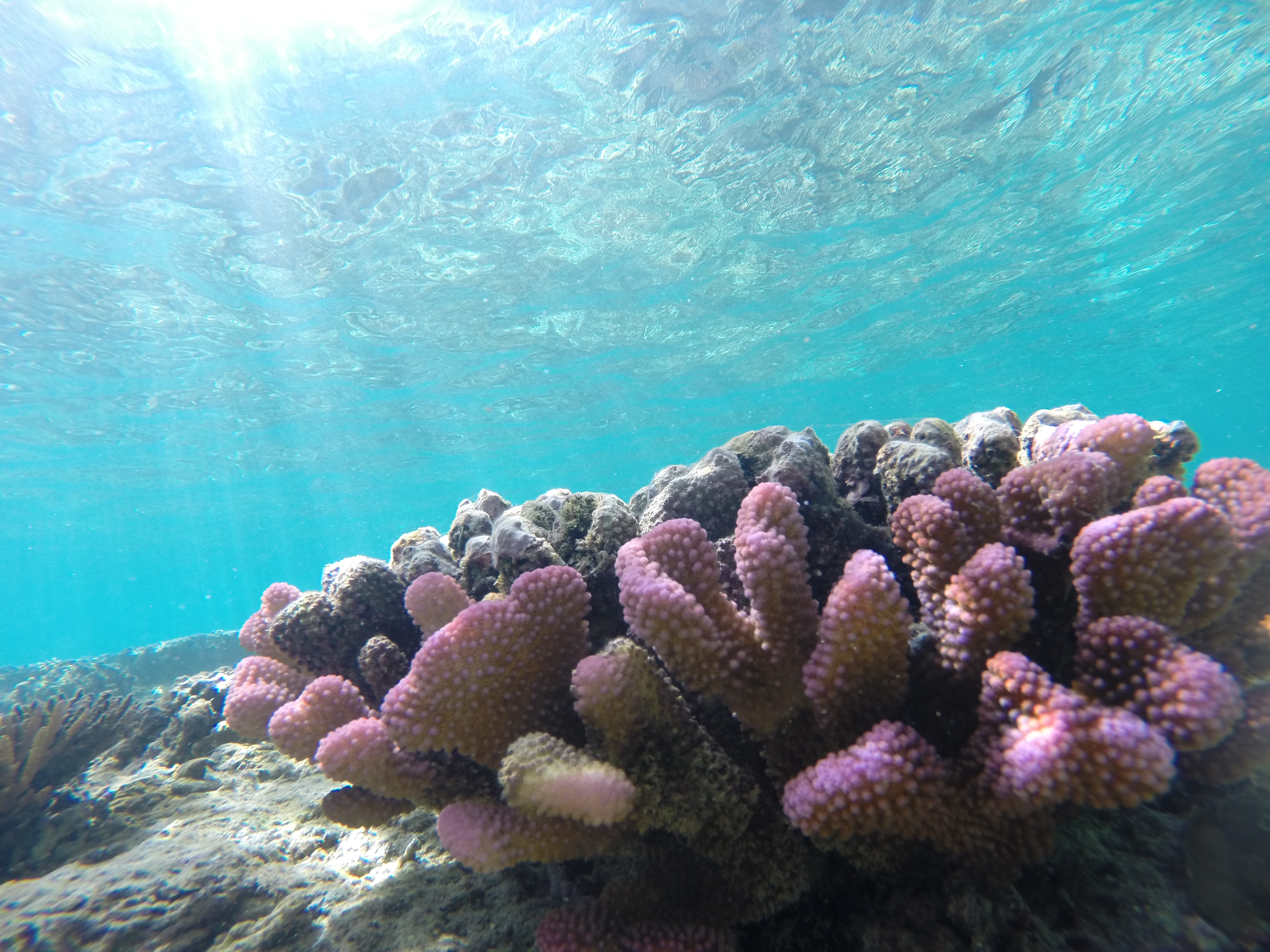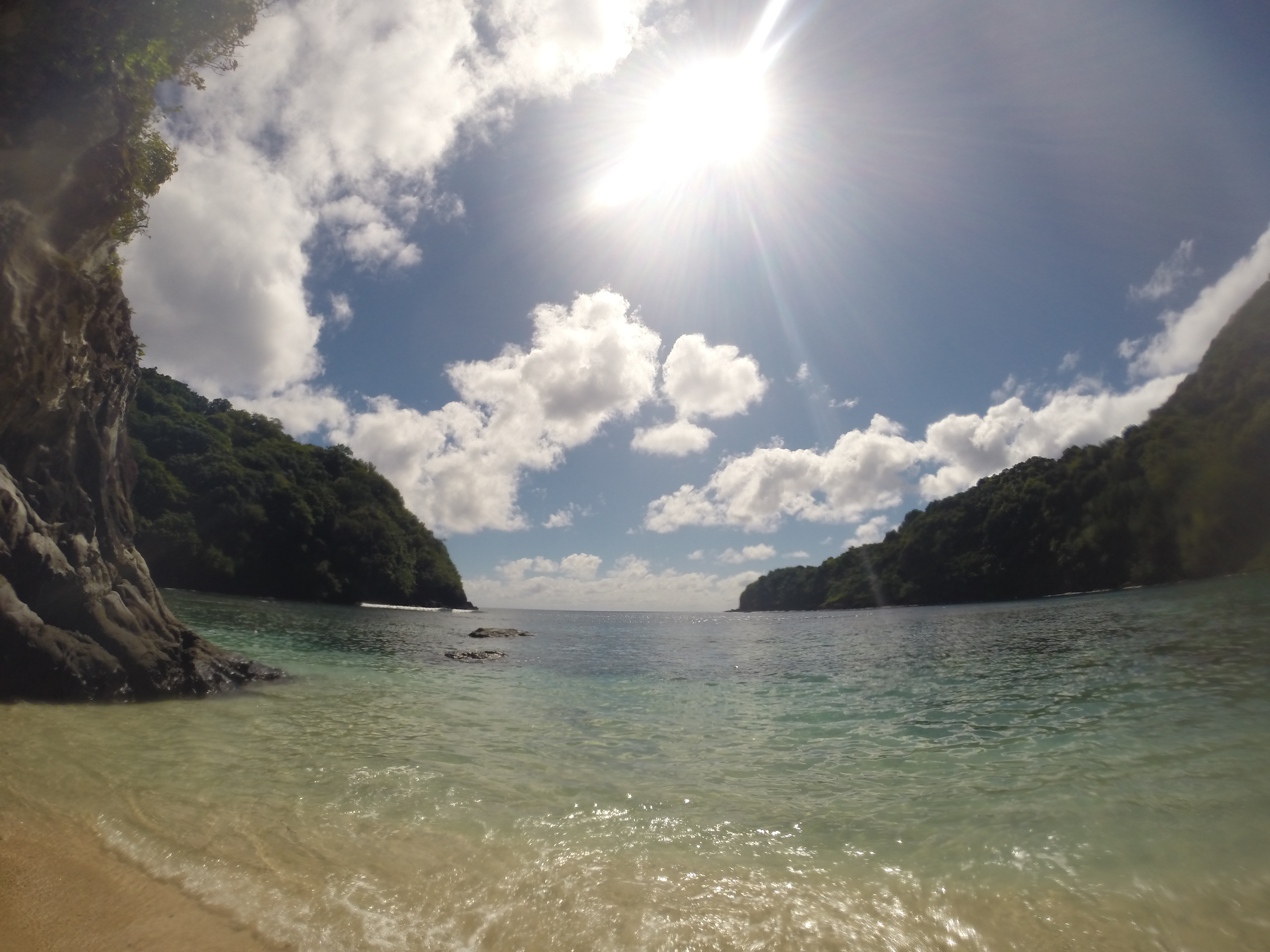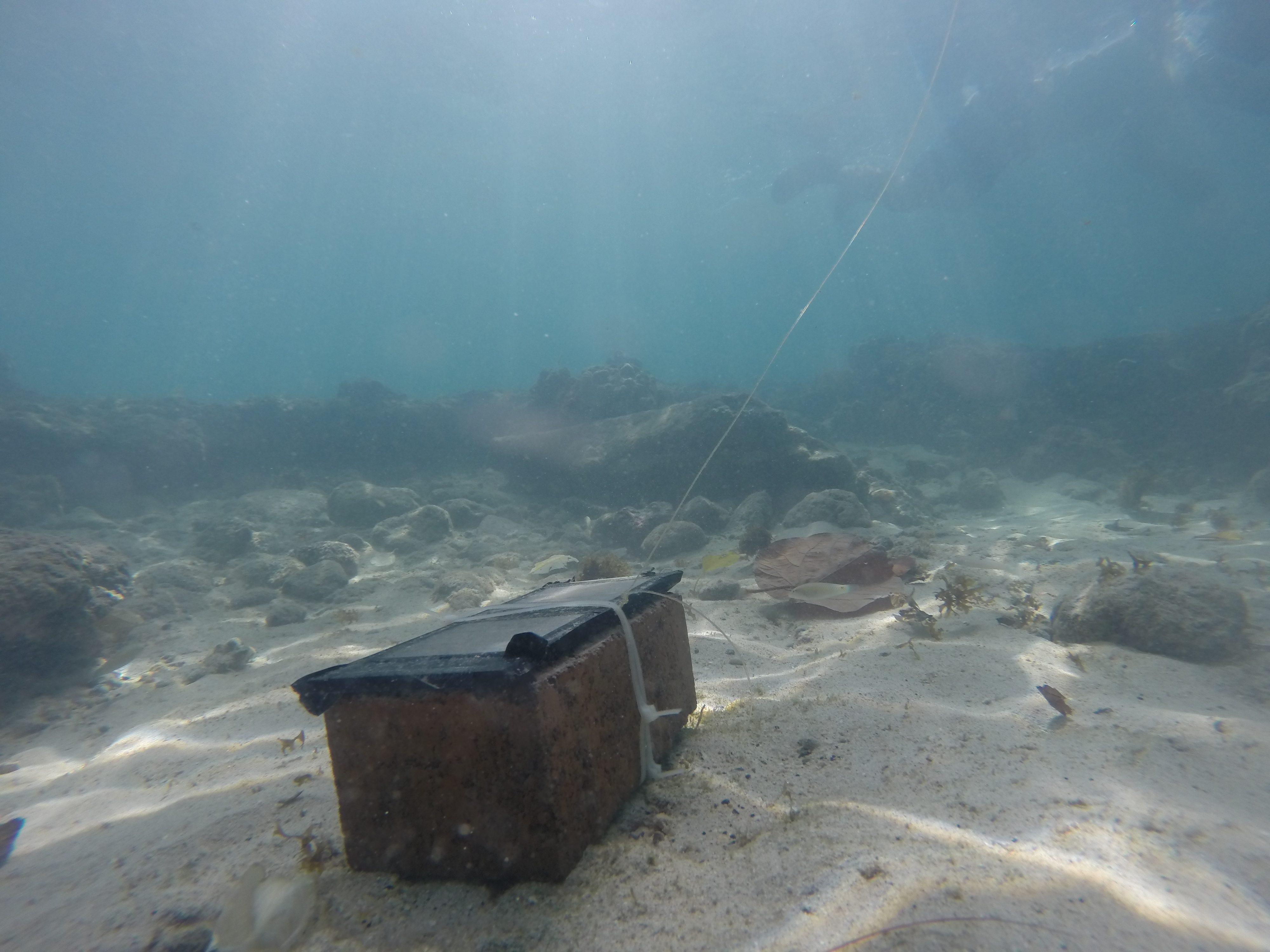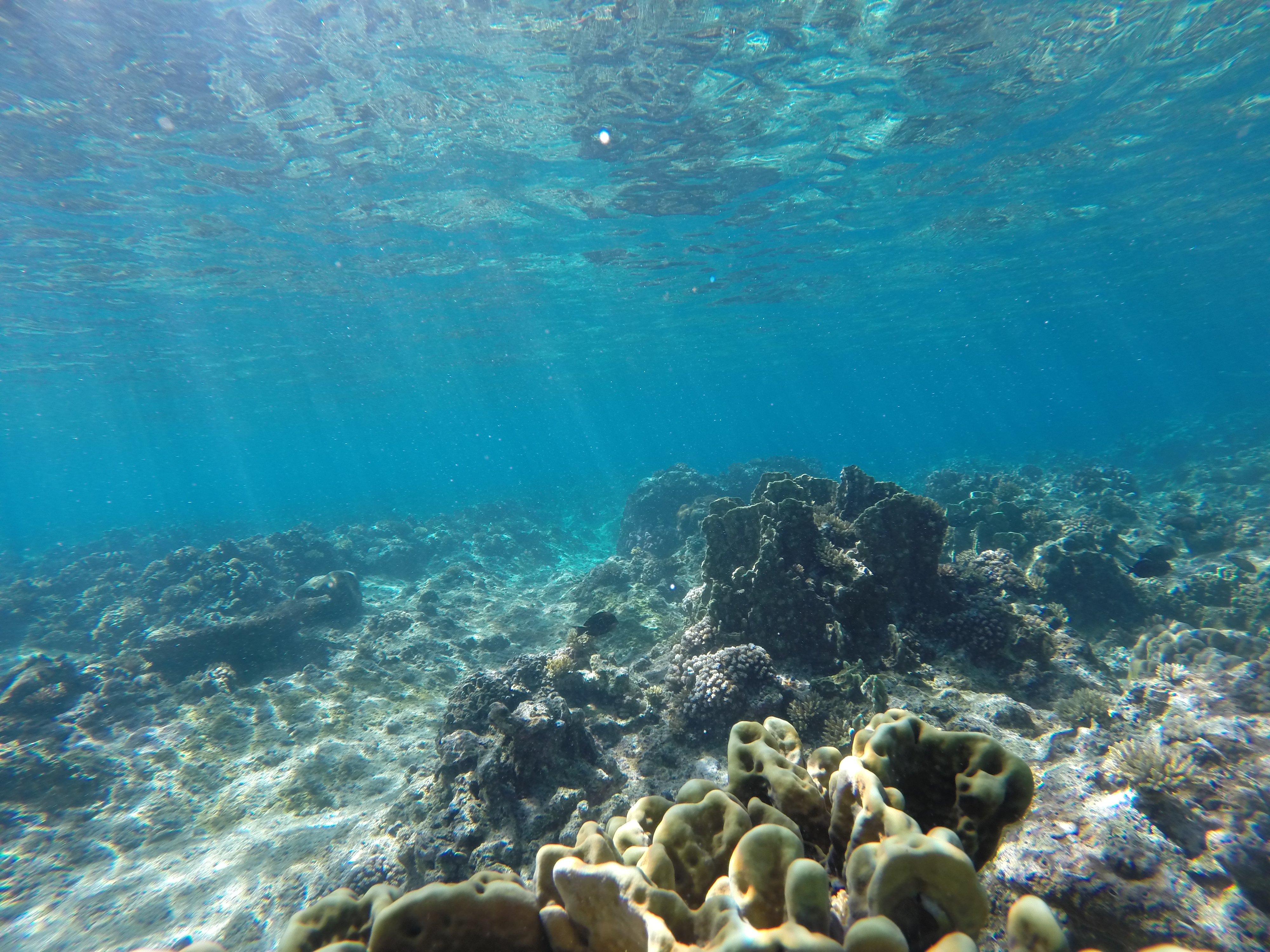
Ia orana te noera, Ia orana i te mata iti api! Merry Christmas and Happy New year from Moorea!

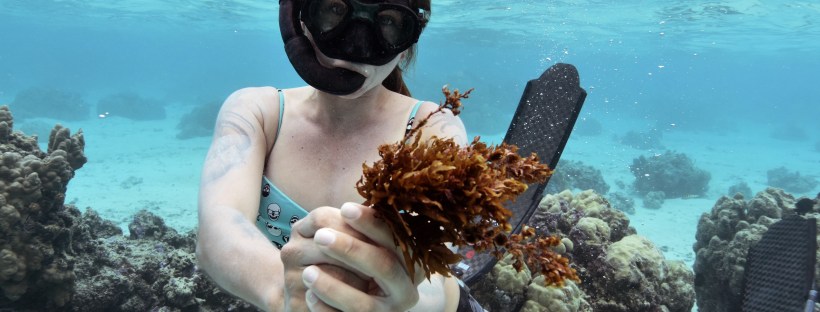
2016 is coming to a great end. I’m vacationing with my family in French Polynesia for the holidays, we spent one week in Moorea and one in Tikehau. Moorea is the neighboring island to Tahiti, the island that houses the capital of French Polynesia. Moorea is a high island with a barrier reef and a beautiful lagoon that is home to many black tip reef sharks, lemon sharks, grey reef sharks, eagle rays, and pink whip rays. Our time diving in Moorea was absolutely amazing. The sandy lagoon is filled with sections of mounding coral heads and branching Acropora beds. Within the Acropora beds filamentous algae provides habitat for small seahorses.
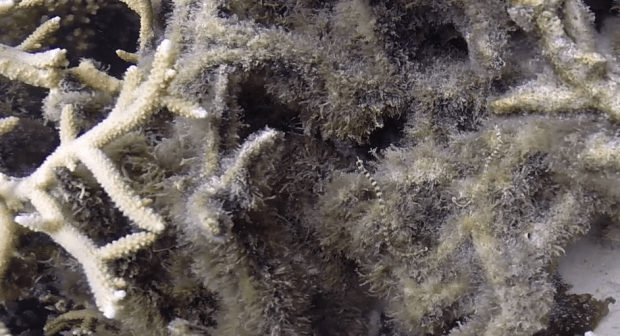
seahorses

Can you see the seahorses?

The reefs are also home to the poisonous and elusive stonefish.

stonefish

Can you see the stonefish? He’s looking right at you!

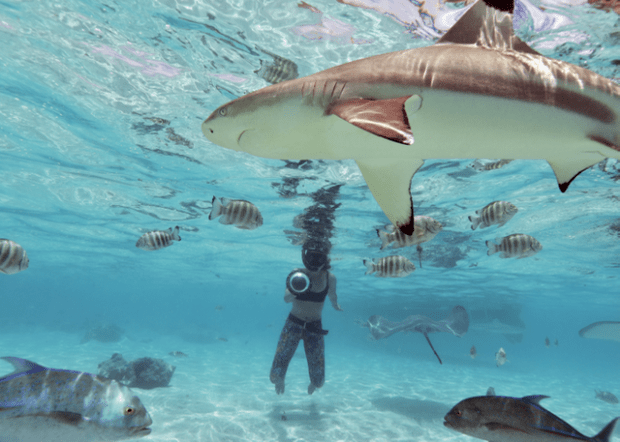
We spent two days on Captain Taina’s Glassbottom boat. Captain Taina is an amazing captain, her family has kept the land surrounding this are of the lagoon and the motus (islets) within it for generations. During her time captaining her glassbottom boat tour the community has worked to create a protected area for marine life in the area. The motus and surrounding mangroves are an important nursery area for many species, supplying juveniles for much of the lagoon of Moorea. Young blacktip sharks, fish, and other species survive within the safety of the mangrove roots. Here in Moorea mangroves are native and an integral part of the island and lagoon ecosystem. Captain Taina even showed us a large green sea turtle that she rescued from a market, where she was to be sold for food, and released in front of her home here on Moorea. The turtle happily resides within the marine preserve that fronts Taina’s property. To meet the rays and blacktip sharks in Moorea, Captain Taina is the best! I highly recommend her tour!
dsc_3011

Diving with black tip reef sharks and rays on Captain Taina’s glassbottom boat tour. Photo by Elizabeth Sides.

It’s our last day here on Tikehau, so I’ve got to get in the water. I will have to update about the limu of Moorea and the rest of my trip on Tikehau later. Happy holidays!

Manuia!

Veronica

Save

Surfing Shipwrecks in Aunuu (when our fieldwork was done)


We took the alia ferry to Aunuu today to catch some fun waves! Sorry I didn’t get any photos of the waves, I was too busy surfing! Aunuu is a small island off of the larger American Samoan island of Tutuila. There is a small village there. Many of the residents commute to the larger island using the alia ferries in order to go to work daily. We met the IT specialist for American Samoa Community College, Dawn, in the lineup. He lives on the island with his family and commutes to the college for work every morning. Not a bad life being an IT specialist here in Samoa (or a field researcher!).

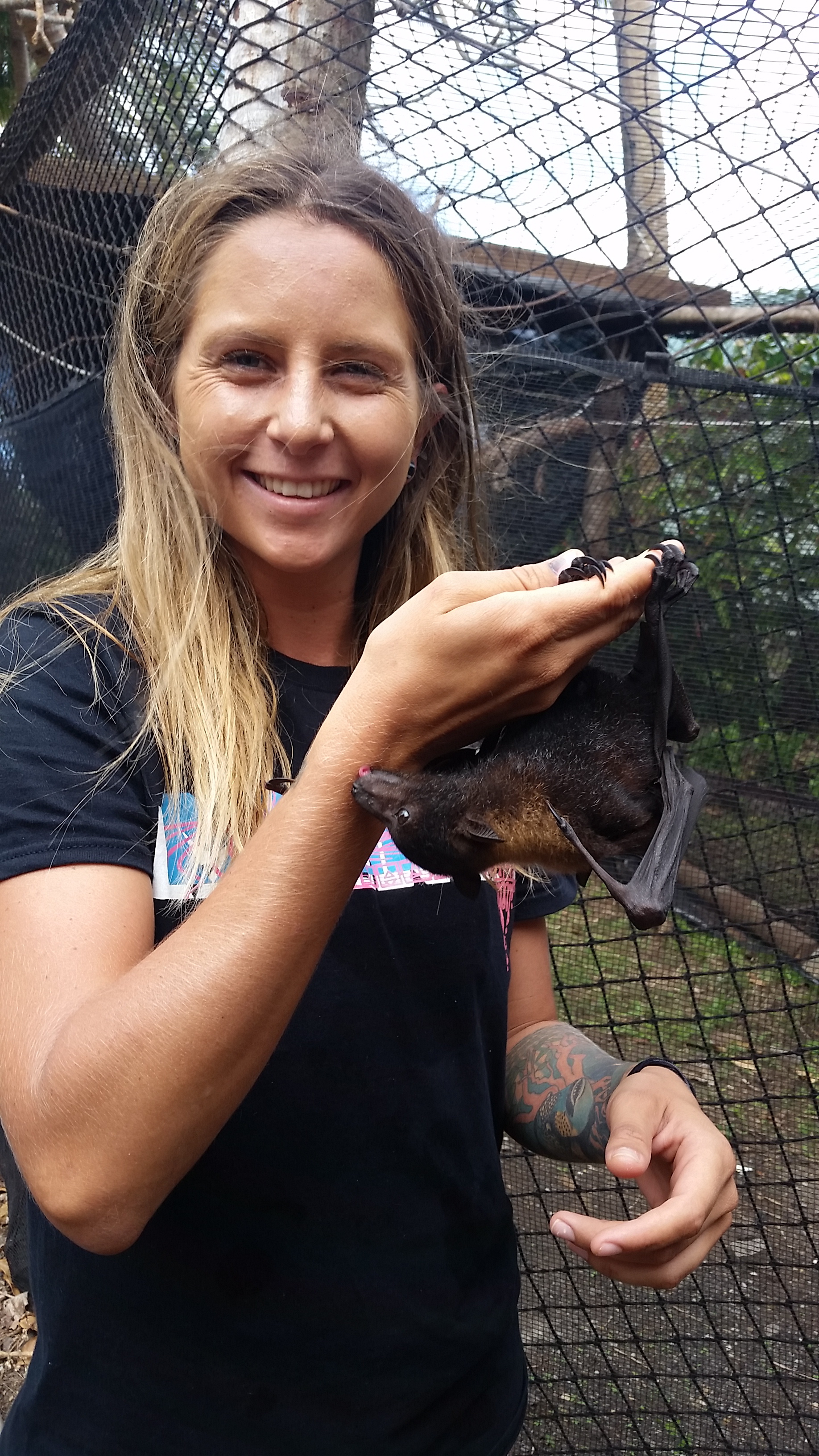
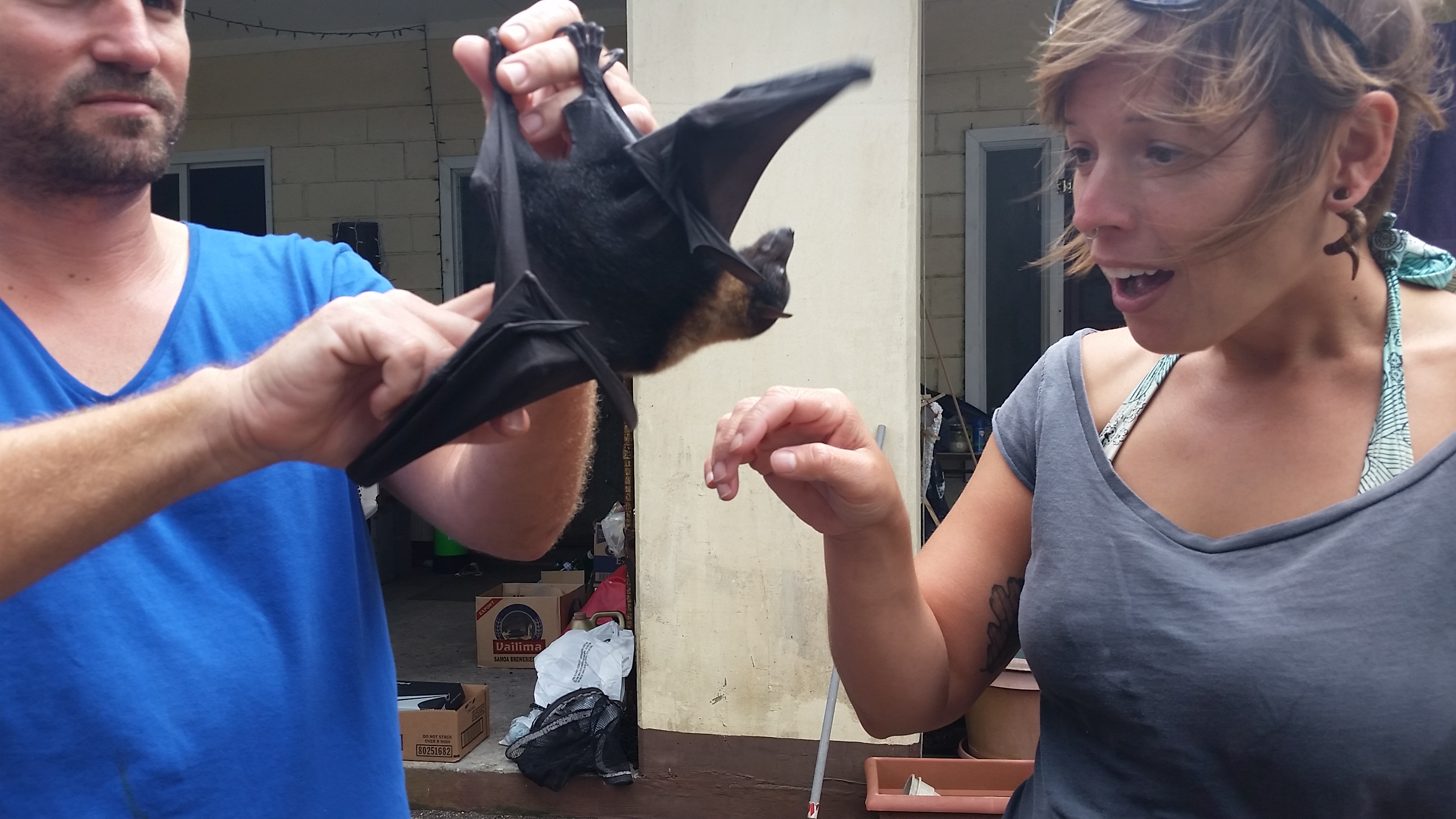
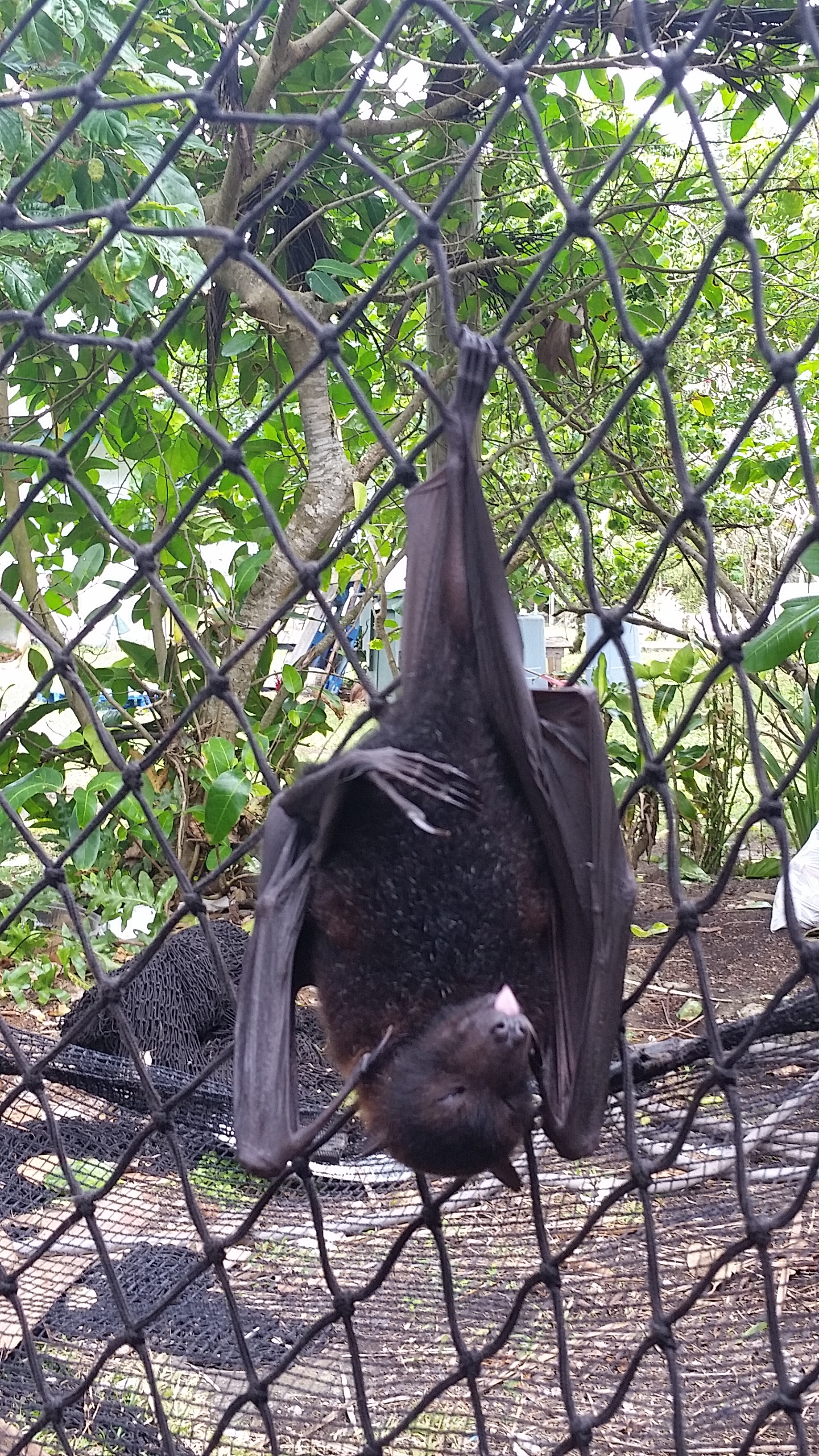
Meeting Luna: The Samoan Pe’a, Flying Fox

20150718_141816 20150718_141908

We were lucky enough to meet a real native Samoan pe’a on our second day in Samoa. Pe’a is the Samoan word for Pteropus samoensis, or the Samoan Flying Fox. Native to Fiji, Sāmoa, and Western Sāmoa. Every morning and evening in Sāmoa you can see these diurnal feeders flying out and back home again, on the hunt. Unlike the insectivorous Hawaiian Hoary Bat, or ʻōpeʻapeʻa (Lasiurus cinereus semotus), Samoan Pe’a is a fruit bat who lives on fruits, flowers, and nectar. The Pe’a is also much more abundant and commonly seen.

20150718_141929 20150725_110216 20150725_111627

Afio Mai! Welcome to Samoa

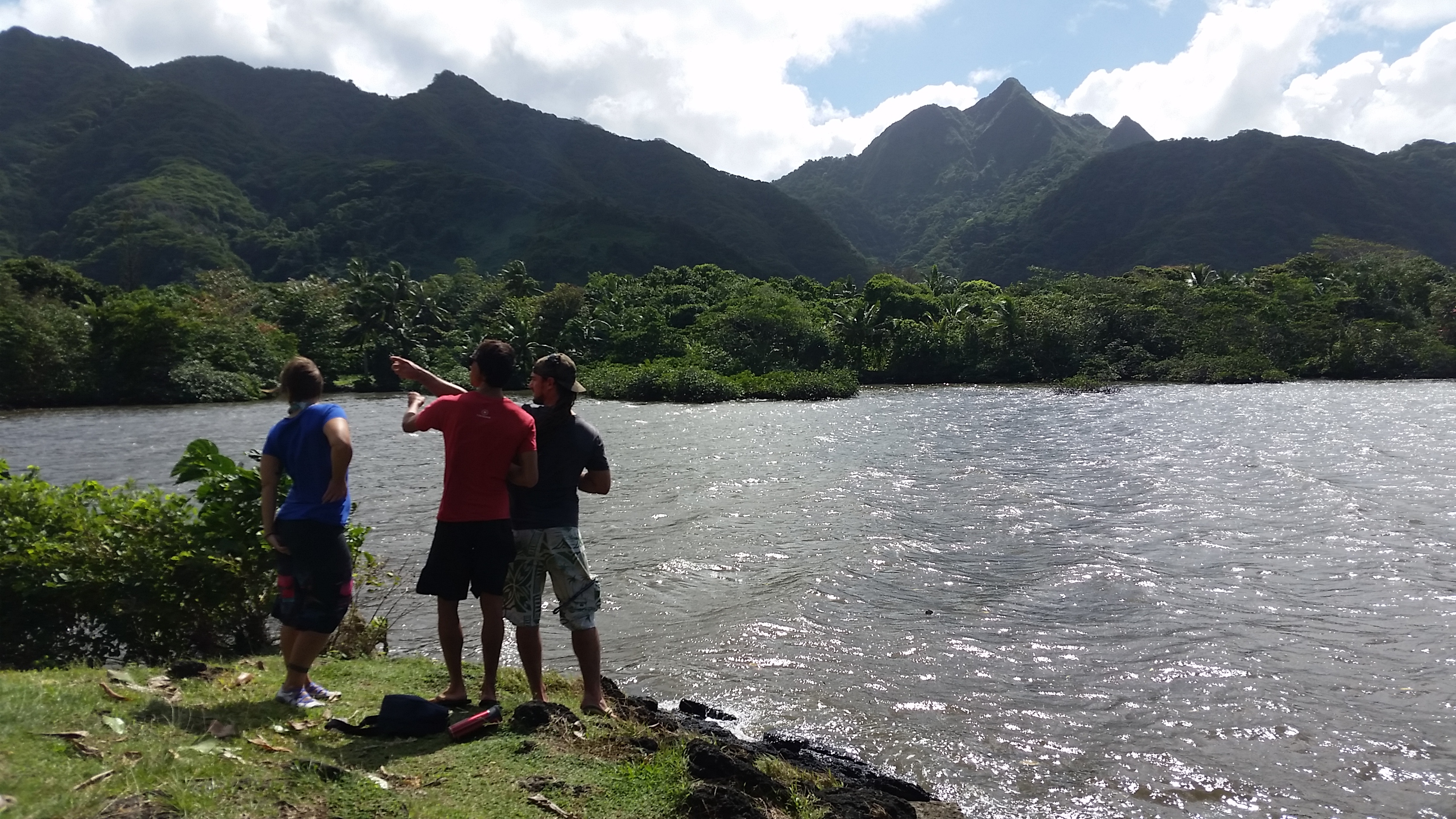
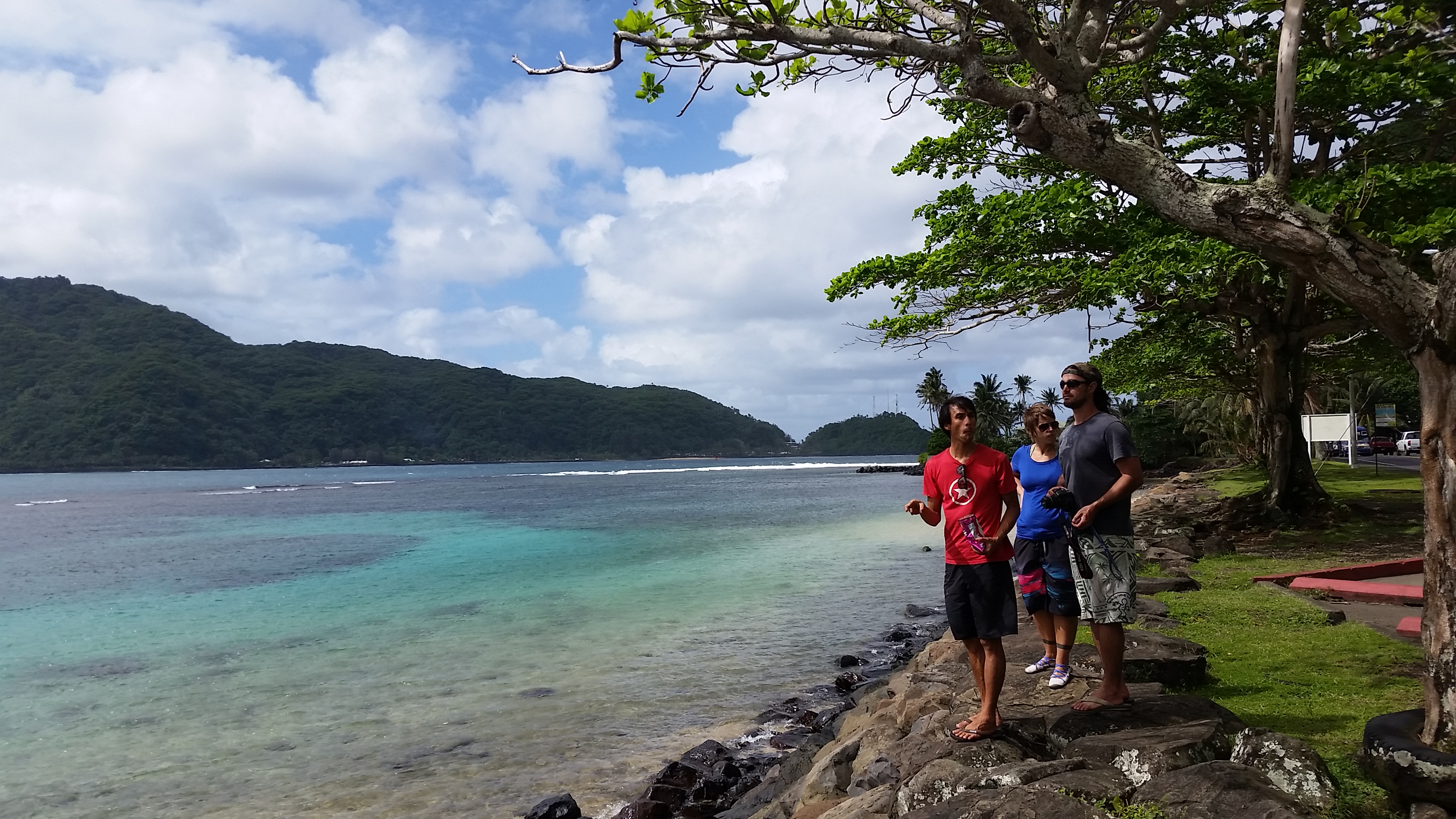
Our team of scientists assembled on the shores of Pala lagoon to discuss our plan of action for this study site. On the shore you see Lydia Baker, our microbiologist from the University of Hawaii Oceanography Department, Dan Amato, phycologist, ecologist, and recent graduate from the Manoa Botany Department, and Chris Shuler,  University of Hawaii Geologist.

20150716_111348

Our first day in American Samoa was spent surveying study sites. Our first visit was to Pala Lagoon, our most impacted site. Our friend and collaborator from the University of Hawaii geology department explained the characteristics of the lagoon to us. A large watershed housing a large population of people drains directly into Pala Lagoon. The lagoon has also been dredged, and is partially artificially enclosed by  American Samoa’s airport runway. The waters of the lagoon are heavily sedimented. Pala Lagoon’s wetlands are designated as a special management area.

20150716_111435

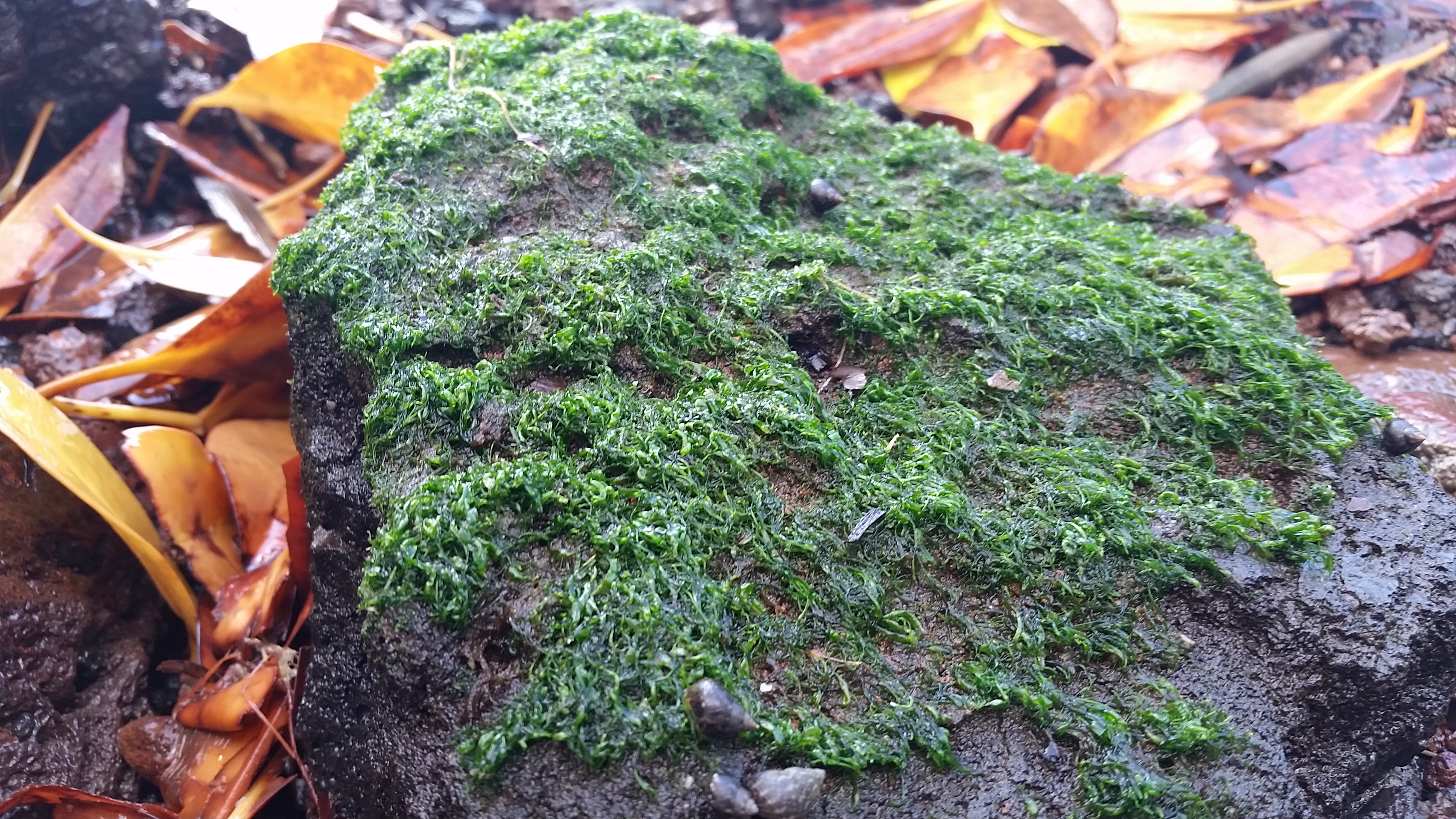
On the rocks of Pala lagoon we found a species of green algae that could be useful for isotopic nitrogen studies.

20150716_115554

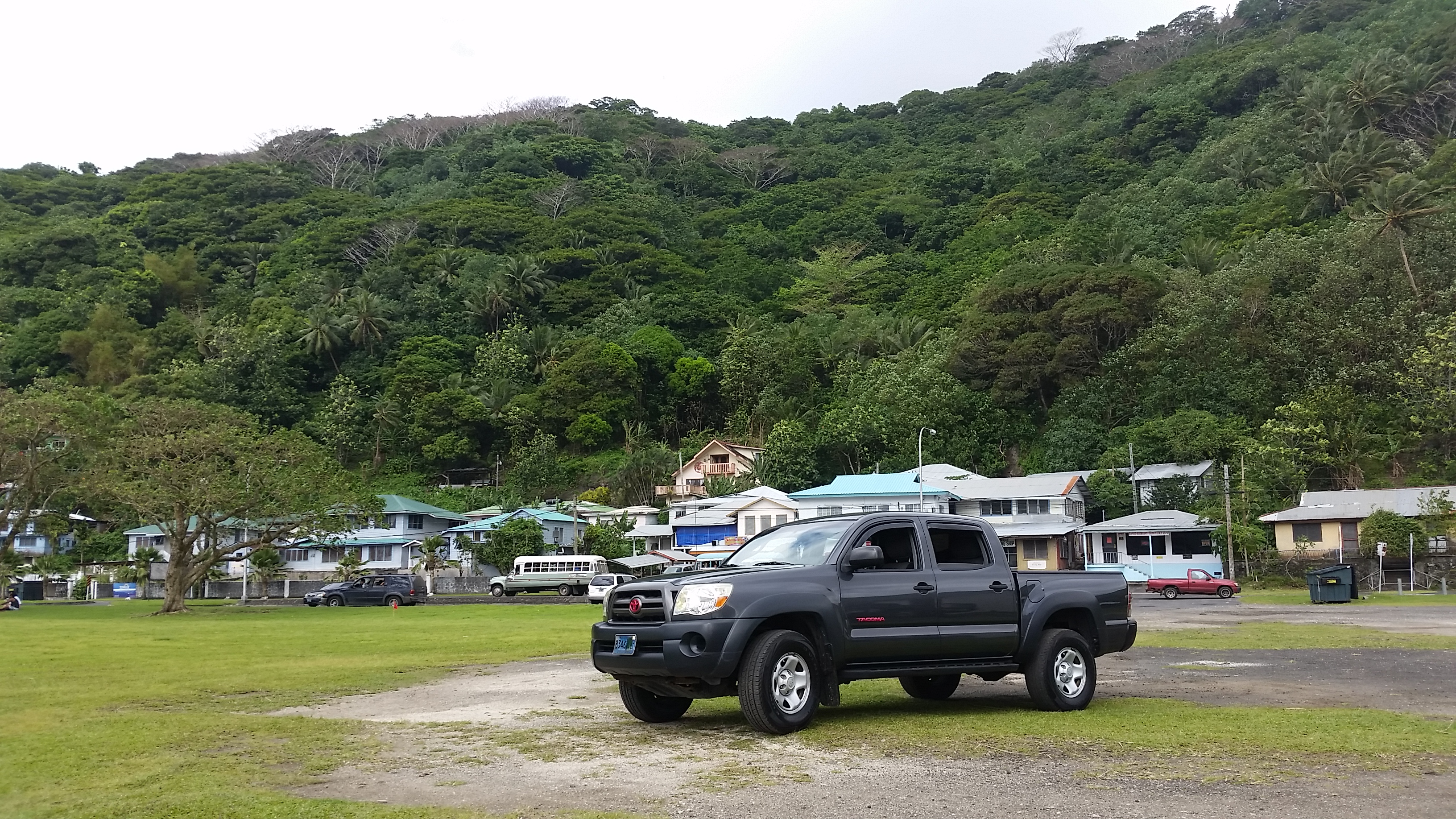
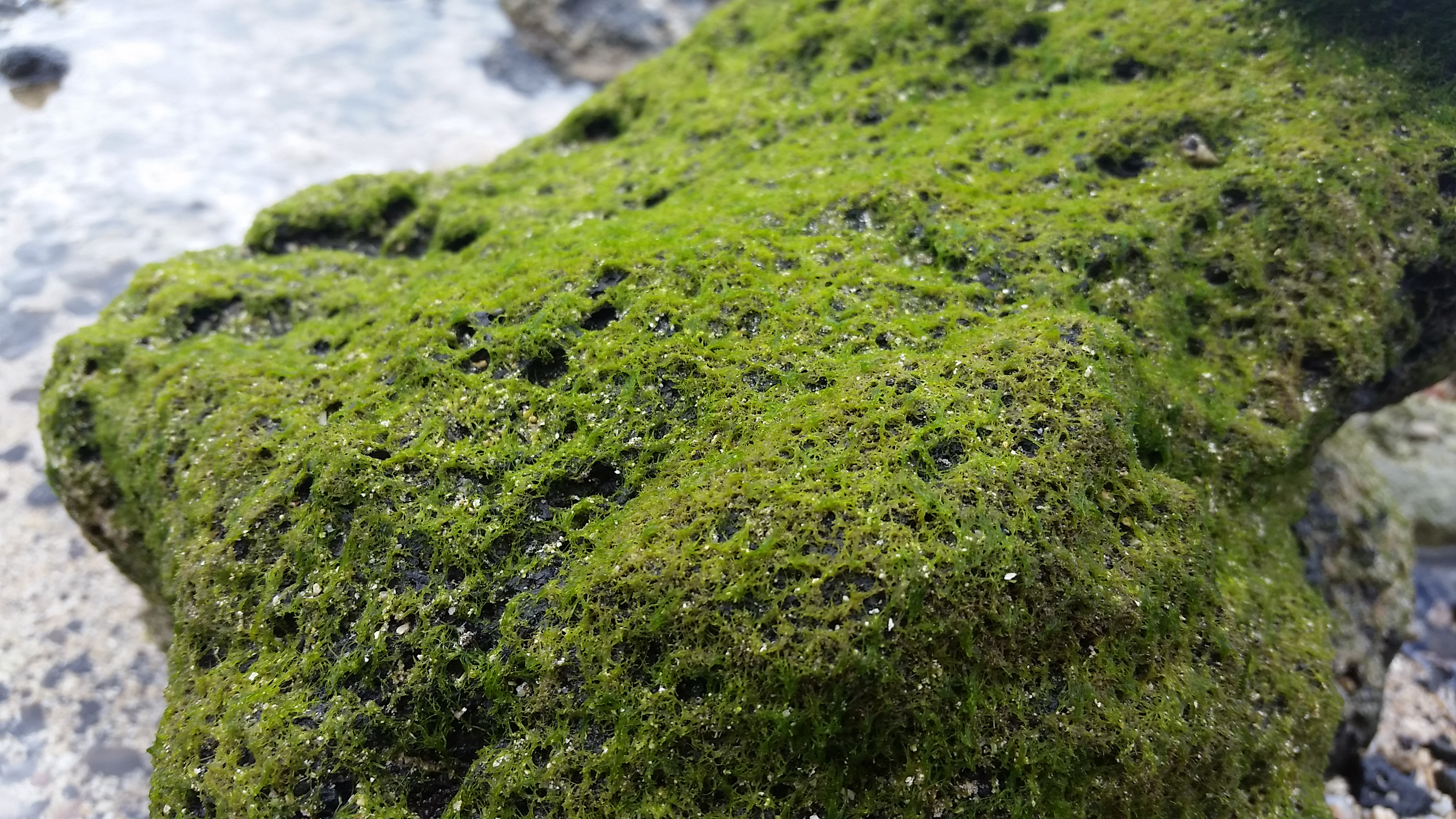
We were lucky to have rented a very nice research vehicle along with our housing rental, it was really great for carrying equipment and personnel. Our next stop on our island tour was Faga’alu, where we found more of this promising green algae species.

20150716_115234

20150716_120355

We managed to visit, designate, and visually survey all of our study sites on the first day.